
Selvedge Issue 133: Kin PRE-ORDER

Selvedge Issue 133: Kin PRE-ORDER
RELEASE DATE 15 OCTOBER (-ish)
PLEASE NOTE THAT ANY OTHER ITEMS ORDERED WITH THIS MAGAZINE WILL BE DISPATCHED WITH IT IN TIME FOR THE RELEASE DATE. IF YOU WOULD LIKE YOUR OTHER ITEMS SOONER, PLEASE PUT THEM IN A SEPARATE ORDER, THANKS!
Returning to a family home for the holidays is an experience many of us enjoy well into adulthood. Spending time in a familiar space, long ago repurposed, can trigger unexpected emotions: a once-intimate bedroom, now home to a sewing machine, a fabric stash, and a thread cabinet, marks the passing of time. When my family gathers each December, recent projects are admired, and suggestions exchanged; this is how we have always talked to each other: through cloth.
As artificial intelligence reshapes how we work, learn, and relate to one another, it’s tempting to wonder what will remain distinctly human. I’d argue the answer is sitting in sewing baskets across the world. AI can generate a pattern, calculate yardage, even mimic a stitch, but it cannot sit beside a child and guide their small hands through a running stitch, cannot pass down the particular way a grandmother threads her needle, cannot hold the weight of a story embedded in a worn hem. Textile craft is memory made tactile, patience taught by touch, and perhaps one of the last technologies that requires us to be fully present with one another.
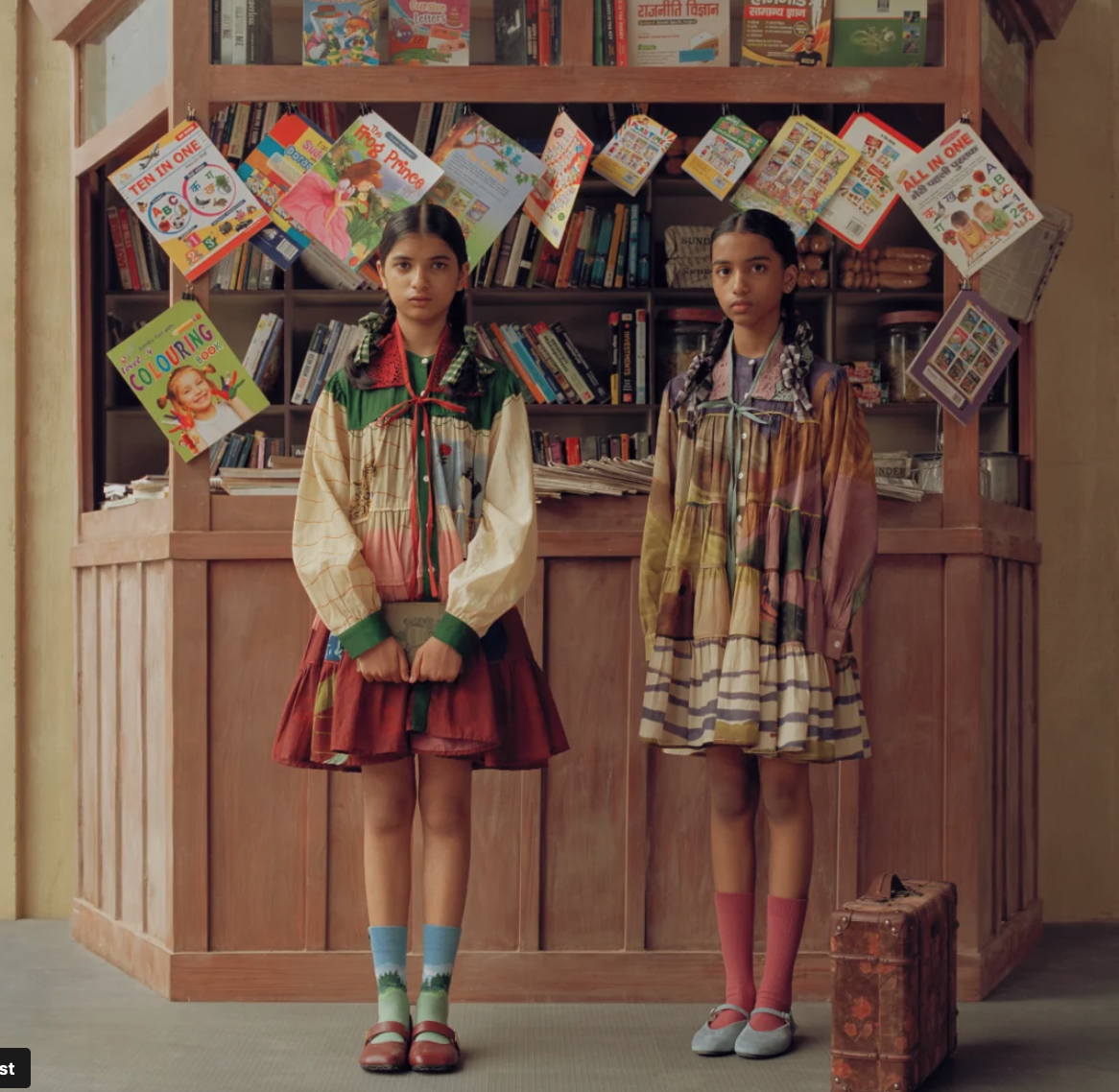
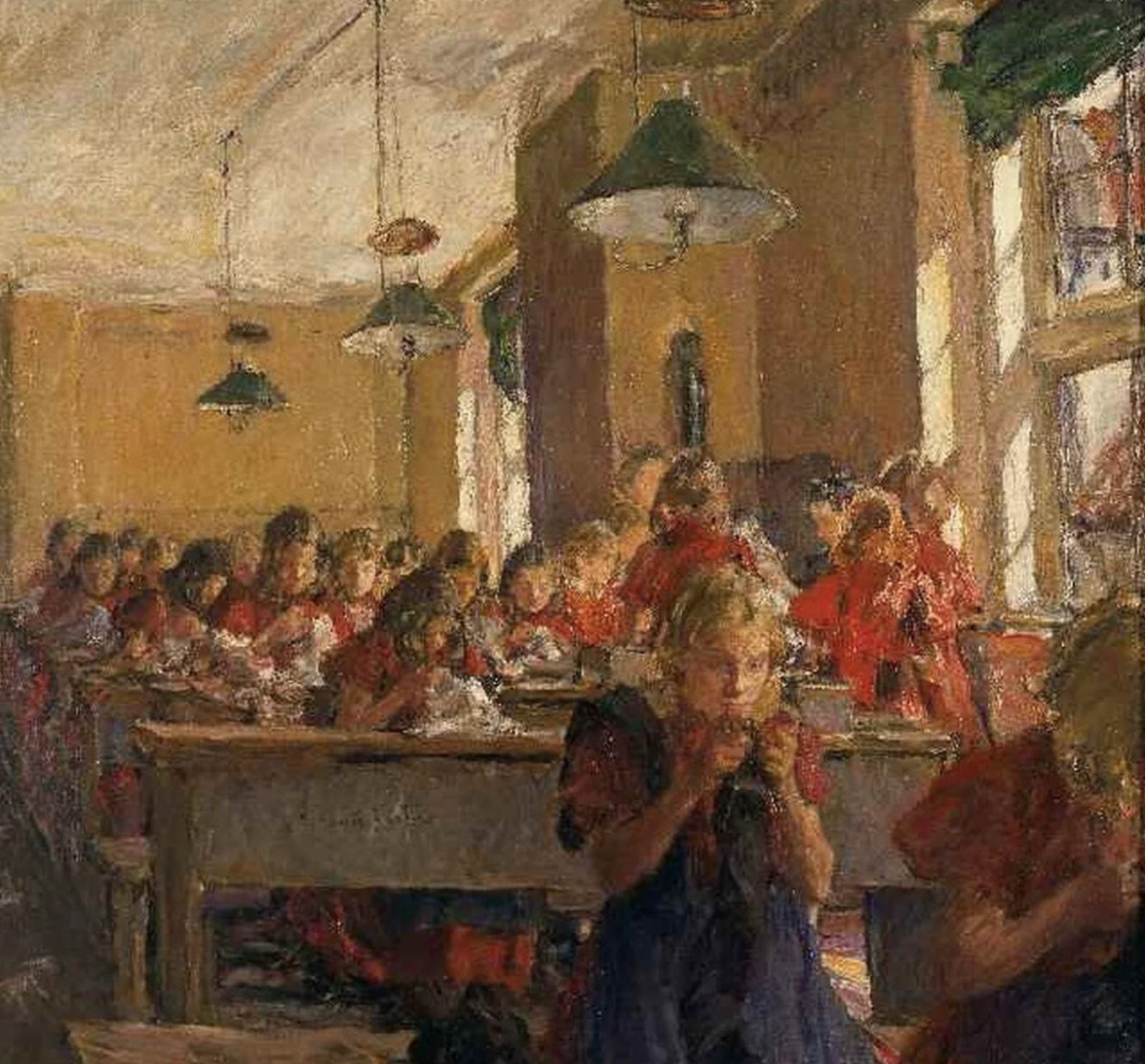
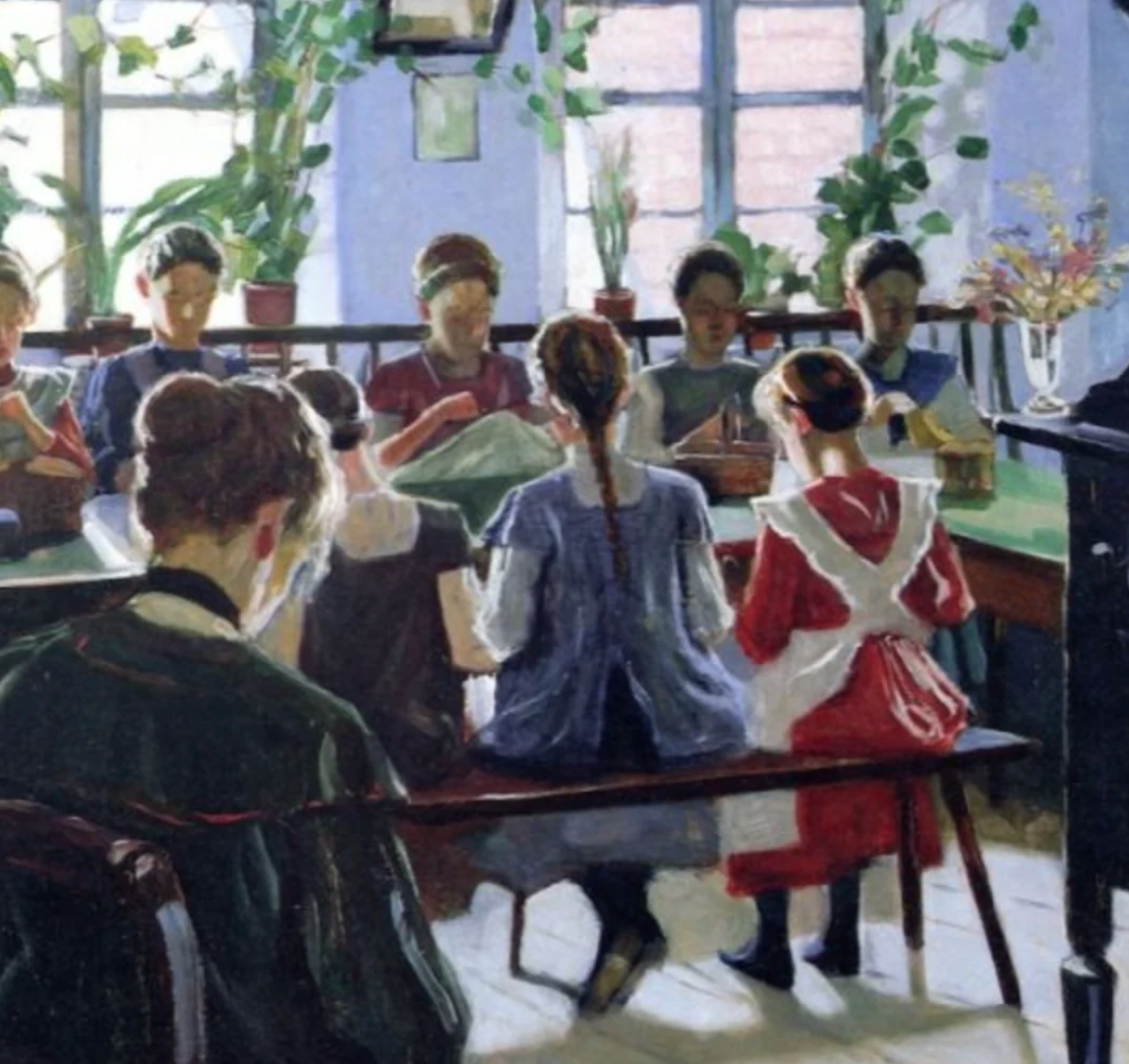
In traditional societies, craft skills pass from generation to generation; in Western post-industrial society, that continuum has been disrupted. During the 20th century in the UK, formal education took up the baton, teaching textiles in schools with varying success. Today, art is no longer compulsory beyond age 14, yet interest in textiles among Generation Z has never been stronger. In this issue, we look beyond formal education to how children experience textiles during their formative years, through clothing, toys, games, and play, and consider how manual dexterity and craft skills vary across cultures and social contexts.
This is why teaching textile skills in schools and homes matters more now, not less. When children learn to sew, weave, or knit, they aren’t just acquiring a practical skill; they’re learning to slow down, to value process over instant output, to understand that some things are worth making by hand precisely because they take time – a quiet counterbalance to a world of algorithmic speed.
As we look toward a future increasingly mediated by machines, let’s ensure that the next generation knows how to thread a needle – and, more importantly, why it matters that they do. That’s how humanity endures: not by outpacing AI, but by holding fast to what only hands and hearts can make together.
This holiday season, when your family gathers, consider making something with each other. And when selecting gifts, look to independent makers; the fruit of human labour makes the most precious gift of all.
Polly Leonard, Founder