Tuileries Polo by Soumine Kim
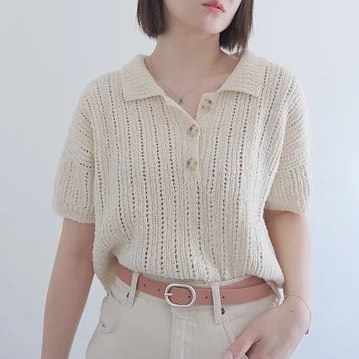
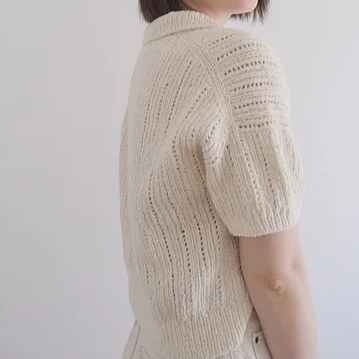
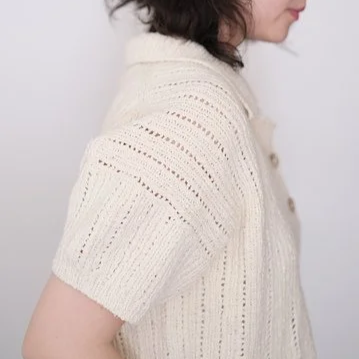
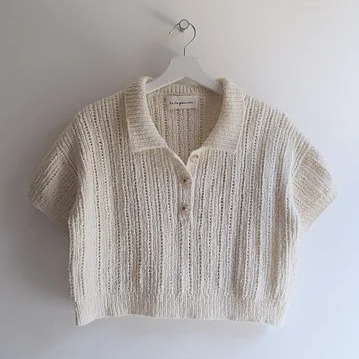
Tuileries Polo by Soumine Kim
This pattern will be downloaded from Ravelry for you. A printout will be posted to you and you will also receive a PDF of the pattern to your email inbox. If you prefer to purchase and download the pattern from Ravelry yourself you can find it here
Tuileries Polo is a summer tee with an eyelet pattern design that keeps you cool even in hot weather. With its repetitive, simple pattern and classic design, it’s fun to knit and will become a staple in your wardrobe, allowing you to create various outfits.
Tuileries Polo is knitted using a top-down method and features overall patterning.
Sizes
1, 2, 3 (4, 5, 6)
Please refer to chart of size detail
Yarn
Sport weight
Candide from De Rerum Natura (70% wool 30% cotton, 185 meters / 50 grams)
890, 990, 1050 (1110, 1220, 1295) meters / 240, 270, 285 (300, 330, 350) grams
Needles
2.75 / 3 / 3.5 mm (US 2 / 2.5 / 4) a circular needle and 3.5 mm (US 4) a short tip needle (or longer if magic loop technique is used) or Double-Pointed Needles
Gauge
28 sts x 34 rows / 10 x 10 cm in 3.5 mm needle, with pattern (after wash)
Notions
2 Stitch markers, stitch holders, waste yarn or extra cable needle, 3 buttons(18 mm),
tapestry needle
Suggested yarn is:
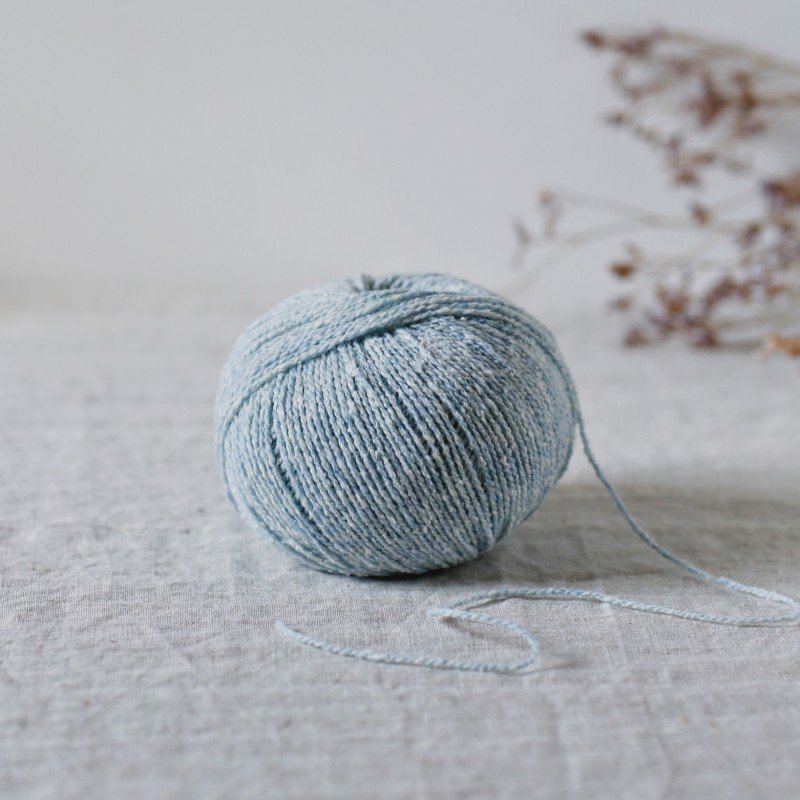
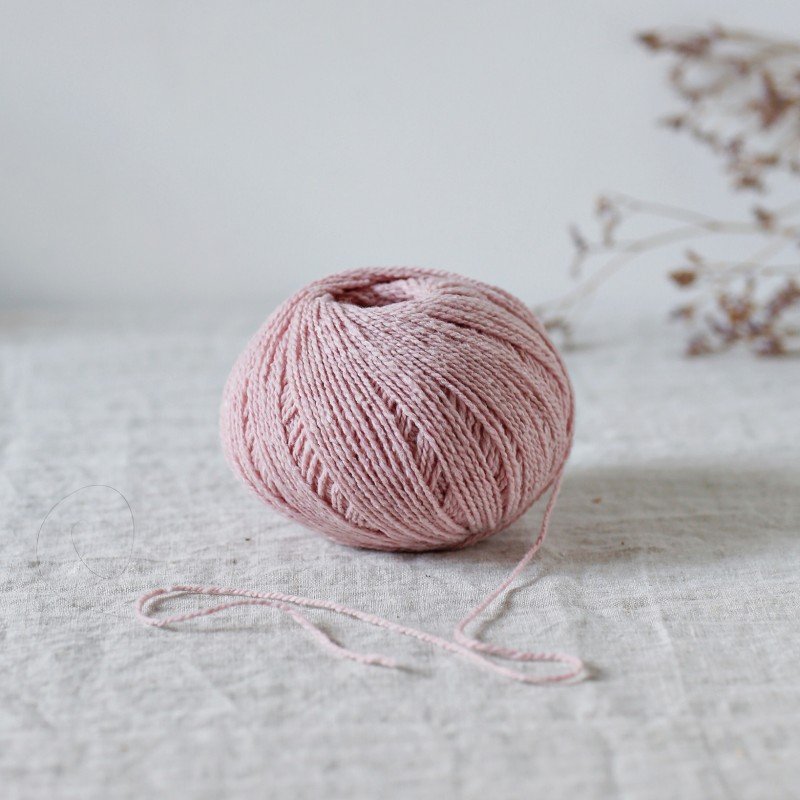

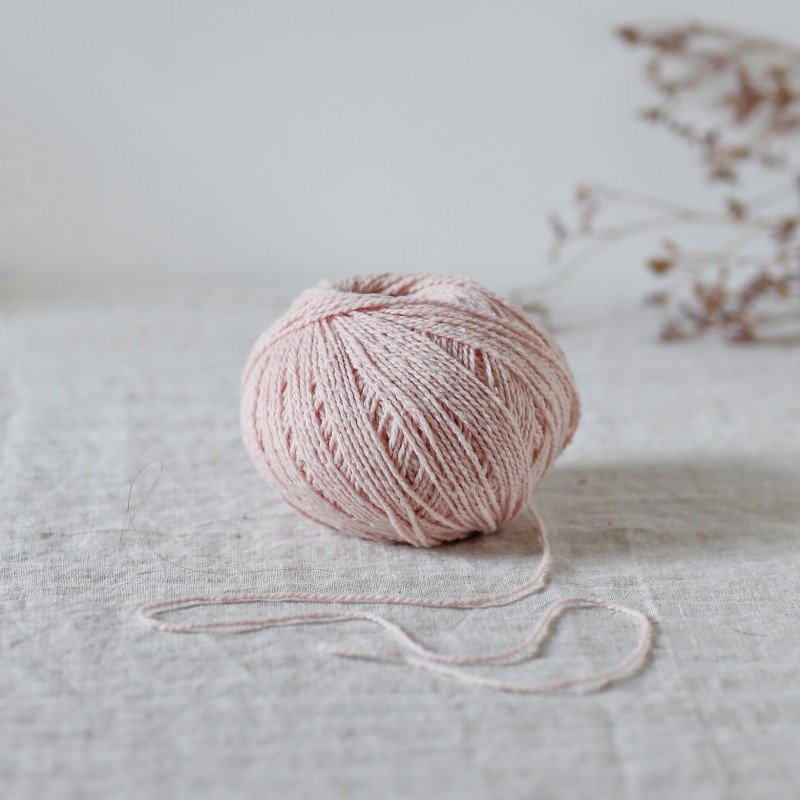
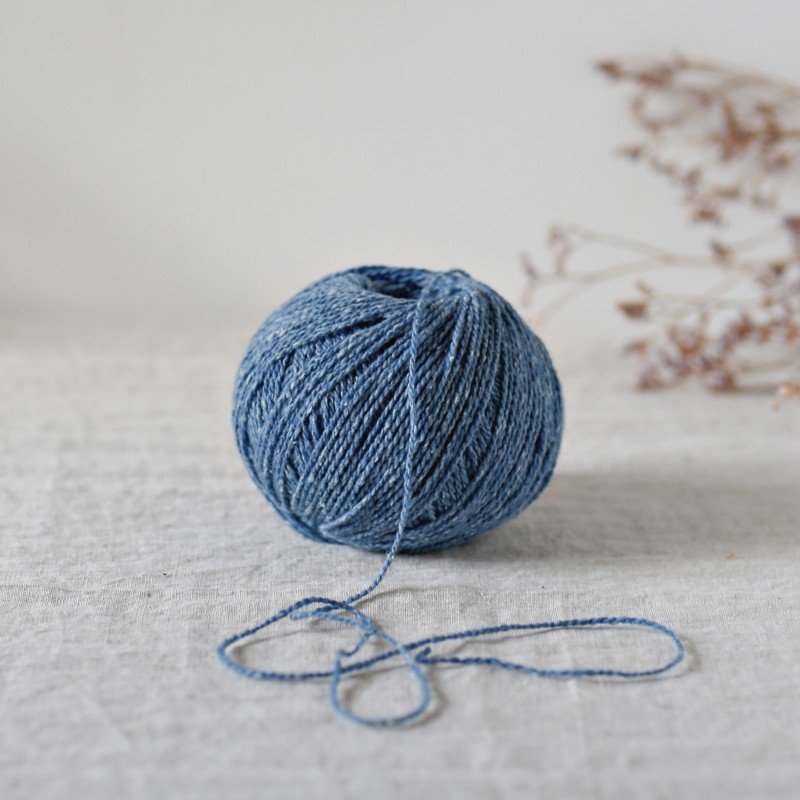
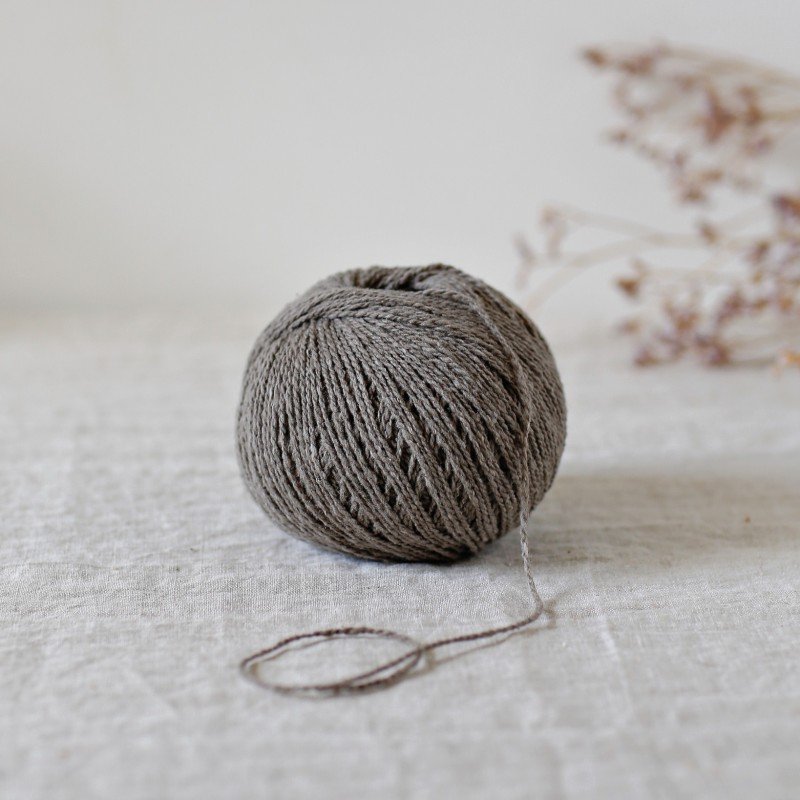
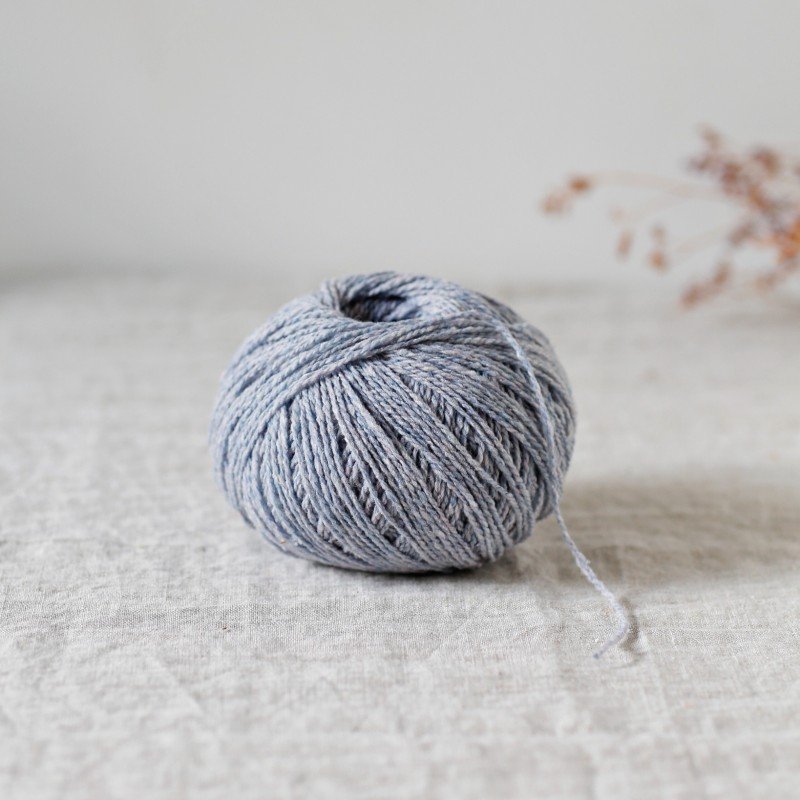
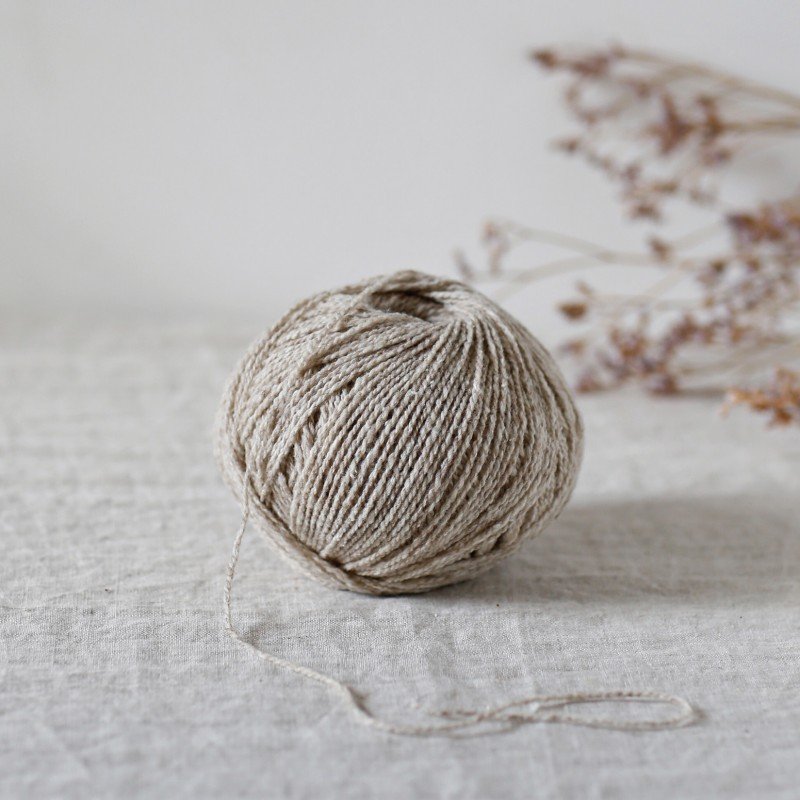
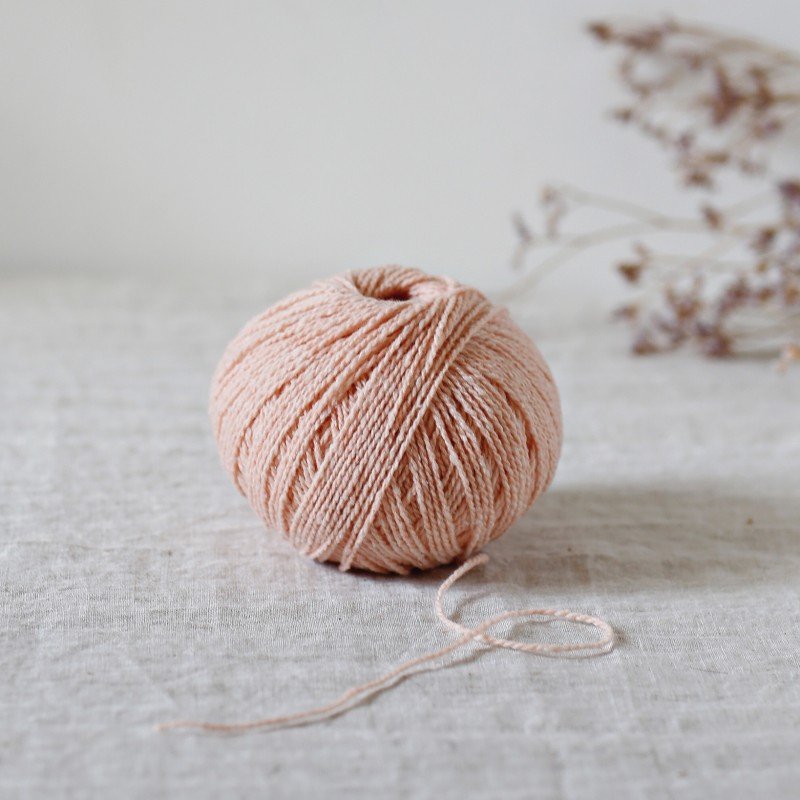
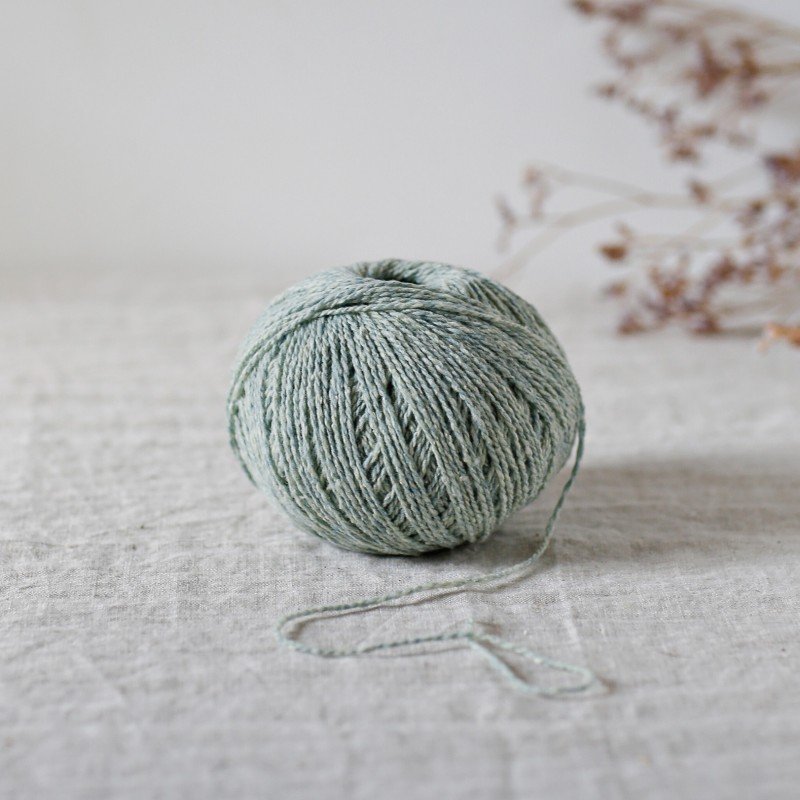

Yarn composition: 70% Organic merino d'Arles (France) and 30% recycled cotton (which can include 2% of other recycled fibres (France).
Ball weight: 50g
Meterage: 185 m (202 yards) in approx 50 g*
GAUGE (for 10 x 10 cm of st st)
26 st x 40 rows on 2.5 mm needles / US 1
24 st x 38 rows on 3 mm needles / US 2
22 sts x 34 rows on 3.5 mm needles / US 4
Please note:
The colours of Candide are obtained from a complex process that involves dyeing the wool before spinning with natural dyes. This means there may be slight variations in shade within the same production batch. Before knitting, it is recommended you check the colour consistency in the balls you have and to alternate them if necessary (as you would with hand dyed yarns).
Also, natural dyes are more fragile than synthetic dyes. These colours are likely to change over time as they soften slightly. De Rerum Natura have selected the most resistant plants and natural extracts but they advise avoiding exposing the balls or knitted garments for a long time to direct sunlight.
Lastly, the colour "grand bleu", which contains a high concentration of indigo, may bleed slightly when knitted. Indigo pigments are non-toxic and even have beneficial anti-bacterial properties. This excess dye is easily washed off with soapy water.